Booking

Behind the scenes of «DESIGN HOTELS»

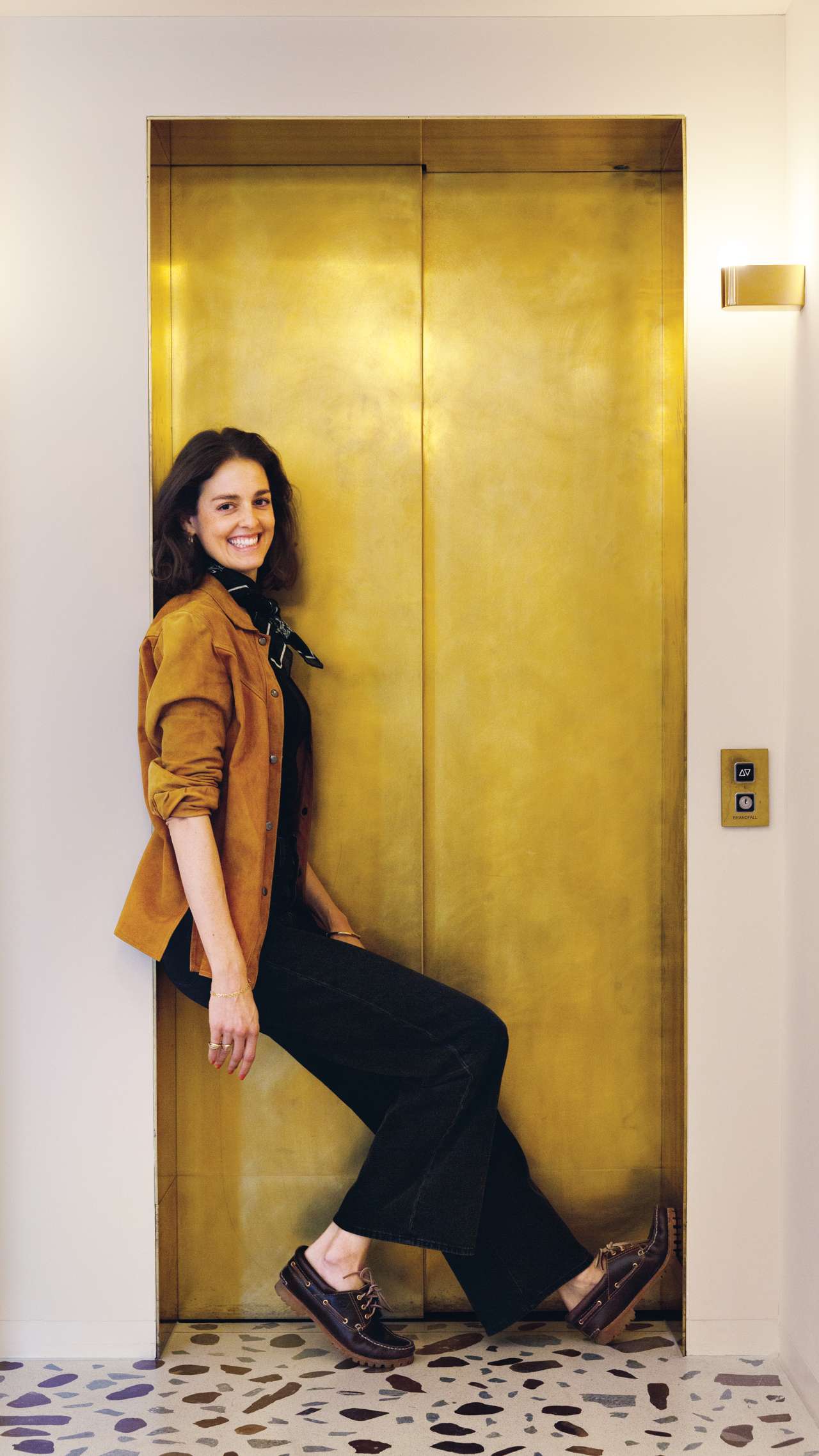
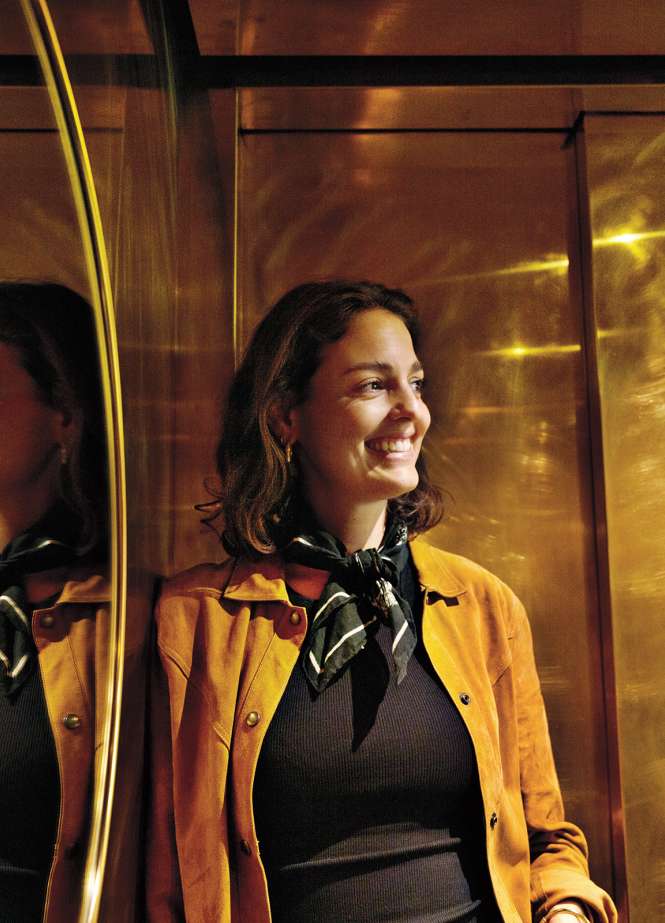
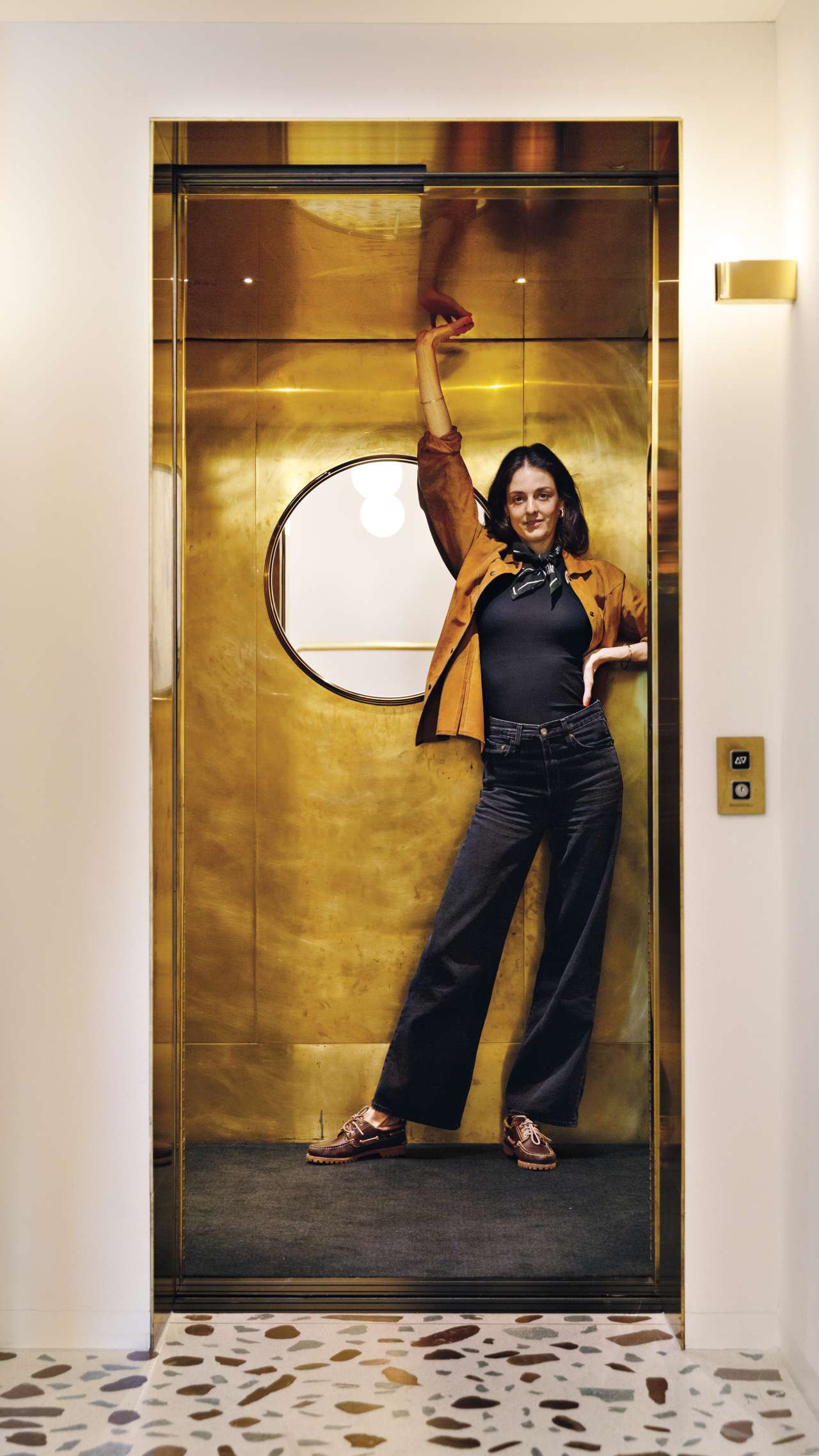
Alba Biedermann searches worldwide for unique hotels that are culturally and locally rooted for Design Hotels. In the interview, she talks about the challenges and beauties of her work and explains why it is often the unconventional that fits into her portfolio.


by Doris Büchel

A Monday morning in August, a Zoom call. Speaking from her base in Berlin, Alba Biedermann beams into the camera and laughs when I ask her about the meaning of her job title. You immediately sense her passion for the profession, one in which she moves beyond conventional paths.


Dear Alba, you are Senior Global Director Brand Portfolio at Design Hotels. Sorry for the blunt question, but: What exactly does that mean? AB: No problem, that’s a good question. Basically, the Brand Portfolio team acts as the ‘gatekeeper’ of the Design Hotels portfolio – we are responsible for finding hotels worldwide that meet our high standards. In other words, a large part of my work involves identifying new member hotels and building partnerships. Another important part of my role is ensuring that our global teams have a strong understanding of our brand values and characteristics around the world. This way, we make sure that our portfolio grows in a way that aligns with our core identity – independent hotels rooted in design, locality, and culture.


How do you find new member hotels?
AB:
Our antennae are always reaching out for new, unique projects – that’s part of our DNA. Our network of designers, architects, agencies, and brand friends is a valuable source for development. Whenever we travel to a destination, we connect with these local ‘placemakers’ to learn about potential new projects. However, the most valuable source of growth comes from our existing community. This is a wonderful way to grow, as a relationship has already been established, synergies exist, and you continue to grow and develop together. An example of this would be Grupo Habita in Mexico. The founders, a former citrus farmer and an investment banker, decided over twenty years ago to open a hotel together. Today, they own fourteen hotels, all of which are members of Design Hotels.

We work exclusively with independent hoteliers, such as Kathrin and Ivan Schertler Secli. Many of our hoteliers don't come from the traditional hotel industry; their incredible passion and unique stories connect them to our community.


How do you explain that it’s often not the seasoned hoteliers who make it as a member hotel at Design Hotels? AB: We are always looking for the unconventional and focus on elements with cultural and local significance. When someone personally invests themselves in a hotel, it brings a unique level of commitment and attention to detail. There is likely to be less willingness to compromise when it’s a personal creation and vision. Also, first-time hoteliers often bring a certain naivety that allows them to push boundaries and view hospitality from a new perspective.

You mentioned that up to 400 applications land with you each year. Do you remember what tipped the scales in Traube’s application, giving them the chance? AB: I remember it well. My colleague Flurin and I reviewed the application together and immediately thought: Hmm, an interesting location – not Geneva, Zurich, or Zermatt. On the website, we quickly noticed that someone was telling a story here. What impressed us most was that the rooms were entirely paneled in wood. You don’t see that often, and it sparked our curiosity. It soon became clear that we wanted to visit Traube on site.

How should I imagine this … does such a first visit take place ‘top secret’? AB: We don’t do mystery shopping (laughs), because our goal is to connect with the people behind a place and learn more about their story and vision. Flurin arranged a meeting with Kathrin and Ivan, and they spent the day together. When he came back, it was clear to both of us: Okay, let’s do this! Of course, as Swiss, it’s especially exciting for us to discover new and unique places like Gasthaus Traube.

Tell me, do you still have friends? AB: I have many friends … especially since I’ve been working at Design Hotels (laughs). For me, it’s the dream job! But: there’s no routine. And you have to accept that you don’t go to bed at your preferred time, you can’t maintain a morning ritual, and you can’t sign up for a pottery or sports class because you’re constantly on the move. You have to want this. Our headquarters is in Berlin, that’s my base. I originally come from Bern. When I’m in Switzerland, family and friends have absolute priority. And luckily, there are voice messages, WhatsApp, and many ways to stay in touch.


Will you take me through one of your typically atypical workweeks? AB: A major part of my work involves being ‘en route.’ These days usually start early with a taxi ride to the airport, where I answer my first emails. The flight is a good time to work on strategic topics – you’re in a sort of bubble, which creates space for reflection. Often, we are picked up by hoteliers or drive to the location ourselves. I usually visit new hotels, some of which are still under construction. This often means wearing a hard hat and touring the construction site with an architect and/or designer.

If the hotel is already open, we often combine meetings with a lunch or dinner on-site. Hoteliers also want to show the depth and scope of a project and often give us fantastic access to the destination. This can include visiting a cool café, a local bookstore, or the hotel’s partners. Hoteliers are great gatekeepers to the local culture and help understand a destination. Of course, a meeting with a potential new member varies by region. In Greece, for example, everything happens over meals, so you usually go to bed later. In Switzerland, it’s a bit more formal. It’s very culture-dependent. Either way – at the end of a long day, you usually collapse into bed exhausted but totally inspired. Then you write a few emails and maybe make a few calls. You definitely have to be flexible in my job and handle things not going according to plan. I certainly don’t have a 9-to-5 job.

Would you like to give an example? AB: Gladly! A few years ago, I visited Casa de São Lourenço, a hotel about three hours outside of Porto, tucked away in the mountains. At the time of the site inspection, the hotel was already open, so I had the opportunity to experience the place firsthand and stay there. For the owner, Isabel Costa, it was important to not only show me the hotel but also the region and the vision she and her husband João Tomás have for the area. The next morning, she took me to a textile factory in a neighboring village, which they had revived together with the local community. The blankets and throws produced there are not only used in the hotel but are now also sold in Lisbon and Porto.


«We are always looking for the unconventional and focus on elements with cultural and local significance. When someone personally invests in a hotel, it brings a unique level of commitment and attention to detail.»

How did you get into your profession? Was there a plan, or would you not have thought five or ten years ago that you would end up in this industry? AB: I’ve always been drawn to the world of art and design and did internships with a decorator and a seamstress. Then, it was rather by chance that a good friend pointed me to the École Hôtelière de Lausanne. Since I am someone who enjoys being with people, speaks several languages, and is curious about the world, I ultimately enrolled in the hospitality course.

But creativity never left me. It was clear that I had to find something within hospitality that existed outside the traditional chain and franchise world. That’s how I discovered Design Hotels, where I did an internship in 2010 – my connection with the company has remained ever since. I did, however, take a detour before returning to Design Hotels – after graduating, I decided to move to London, where I completed a Master’s in Luxury Brand Management and worked for six years at a tech startup in influencer marketing, which was at the time a relatively new marketing tool for fashion brands in Europe. Eventually, I moved to Berlin to expand the DACH market and kept running into former colleagues from Design Hotels. Just as I was considering starting my studies in interior design, I received a job offer from them. I remember the intensity of my gut feeling when the call came – a real sliding-door moment. And so I returned to hospitality. For me, it’s one of the most beautiful industries to work in: a world of creating experiences, enjoyment, and connection with people, cultures, and nature.

MEMBER OF DESIGN HOTELS

Since September 2024, we too have been part of the collection of independent and design-oriented hotels. What an honor!

What does beauty mean to you? AB: I have always been very receptive and attentive to my surroundings. I believe everyone perceives beauty, some more consciously than others. Beauty comes in many forms and shapes and can appear for a single moment – it’s a matter of noticing and appreciating it: As we speak, I look out the window and see the leaves of the tree in front of my house dancing in the wind, and the evening sun turns them into a golden, shimmering spectacle… These are small moments of beauty. I like to call such moments ‘fleeting glimpses of happiness’… Exactly, those are these ‘moments of awe’… Often, it’s the little things.

What does it take, besides design and beauty, for a member hotel to be successful? AB: I think inclusion and interaction are important. A hotel shouldn’t stand isolated like a foreign body. It should open its doors, form local partnerships, and seek relevant collaborations, whether through artist residencies, working with local suppliers, or making the restaurant accessible to locals. Ultimately, this is valuable for both guests and the local community.

For 30 years, Design Hotels has been a pioneer in the travel industry, offering a curated selection of over 300 independent hotels in more than 60 countries. From cultural hotspots in vibrant cities to charming retreats off the beaten path, each hotel reflects the vision of a passionate hotelier – an ‘Original’ with a passion for genuine hospitality, cultural authenticity, thoughtful design, and inspiring architecture. Design Hotels is more than just a collection of hotels; it provides its forward-thinking member hotels with insightful expertise in the travel sector – from trend forecasting and creative consulting to PR, marketing, and global sales representation. Headquartered in Berlin with offices in London, Los Angeles, New York, and Singapore, Design Hotels entered a partnership with Marriott Bonvoy in 2019 to offer its member hotels greater and more exclusive reach while providing the community with the benefits of the leading loyalty program in the hotel sector. www.designhotels.com

Is there a place in Traube that has stayed particularly memorable for you? AB: Yes! In the restaurant, right next to the bar, there is a very stylish, custom-made drinking fountain in the corner. The unique stone table in the wine cellar is also a special piece. And the mosaic stone floor, which changes its pattern and color combination as it leads into the garden…

Let’s briefly leave the world of Traube. When you travel privately, do you also choose Design Hotels? AB: When I travel privately, I enjoy a mix of Design Hotels member hotels and alternative accommodations. Recently, I went on a multi-day hike in the Engadin and stayed in SAC huts. It was fantastic, even though the lights went out at 10 PM and I slept in a sleeping bag in a dormitory. This contrast to my professional experiences is very refreshing. I enjoy the combination of both.

Thank you very much for the lovely conversation and the fascinating insight into your daily life.